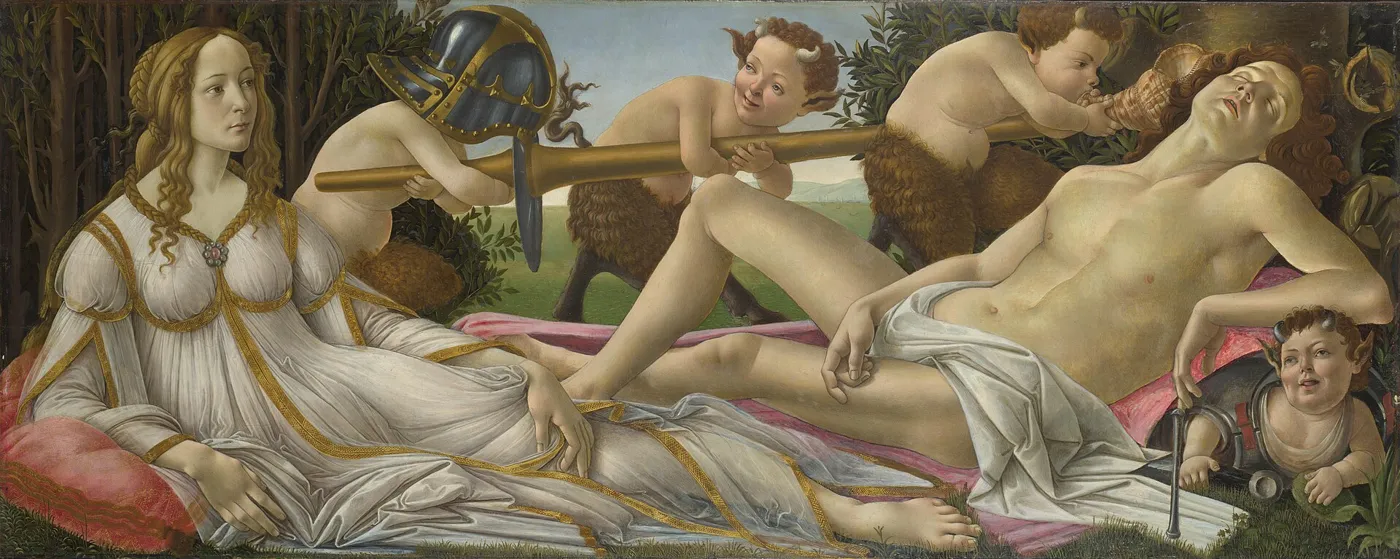
“Somewhere in the world, there is always one person waiting for another, whether in the heart of a desert or in the midst of a great city. And when those two people meet and their eyes meet, past and future lose all meaning. There is only that moment, and the extraordinary certainty that everything under the sun was written by the same hand: the hand that created a twin soul for every person and awakened within them the love without which no dream of humankind would have any meaning.”
Paulo Coelho –
“Choose someone who sees you, who sees the real you” is probably one of the most familiar lines in romantic film scripts. I am sure you know who that someone is, or at least have an inkling … You know them as the person who needs only to look at you and notice the sparkle in your eyes to want to know more about whatever brings you such fulfilment. Someone who can see the sadness hidden in your eyes at a glance, and knows that all you need at that moment is the reassurance of an embrace. Fall in love with someone who sees the unspoken parts of your heart, your mind and your soul. They know what makes you shine, what saddens you, when you need conversation and when you need silence. Fall in love with someone who sees your essence, everything you hide from the rest of the world. Only with someone like that can you be who you truly are — and that, according to Jung, is the privilege of a lifetime. Synastry offers us astrological guidance in that search.
Yet I also know how difficult it is to find the right person. Astrology, too, bears this out.
Synastry at first sight …
The idea that planets “see” one another is, in fact, the essence of the somewhat technical term aspect, which derives from the Latin aspicio, meaning to look. Traditional astrology did not treat aspects as rigidly as modern astrology does, so the number of degrees allowed within an orb was not the deciding factor. All that was required was for the planets to occupy signs that formed one of the five Ptolemaic aspects. This is hardly surprising: trines are benefic because they unite signs of the same element, whereas oppositions are malefic because they connect opposites, often resulting in conflict. A planet could therefore not be in aspect to another in an unrelated sign — one it could not “see” — which entirely excludes the so-called “inconjunct” and “semi-sextile” aspects. Such planets are said to be in aversion.
Thus the stars situated in these signs [in aversion] become discordant. Sometimes they bring about hostile circumstances, and sometimes separations and exiles, when such conditions befall any relationship: between parents and children, brothers, husband and wife, companions, or slaves and masters, and all other relationships of this kind.
Paulus Alexandrinus – Introductory Matters
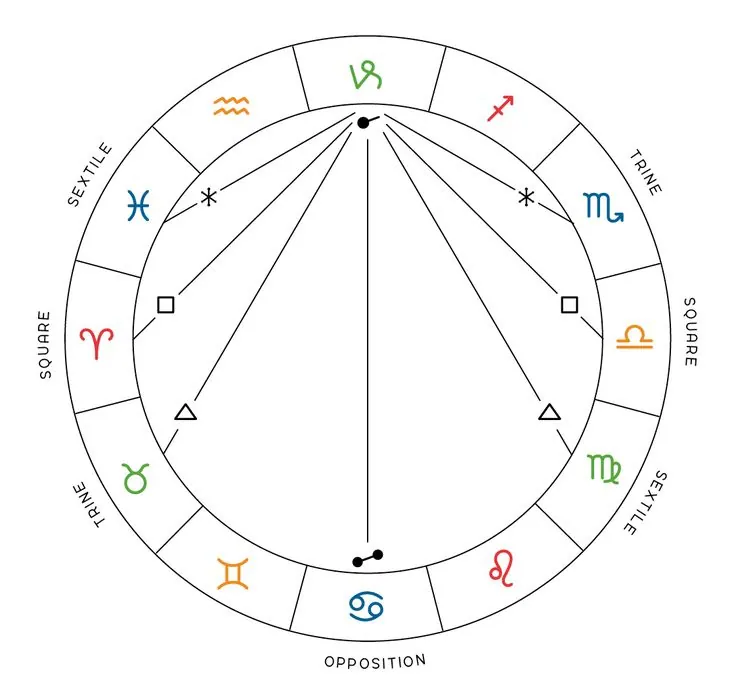
This is precisely the principle on which synastry rests. Just as our eyes can say everything, so the natal charts of two people need to see one another. For it is in exchanging glances that we recognise each other. Let us explore together how this unfolds through astrological symbolism.
The first step on this path is to analyse each natal chart individually, because synastry never operates in isolation. We must first assess each person’s natal capacity for love, marriage and intimate relationships. Closeness and chemistry between two people will count for little if even one of them has a natal predisposition towards multiple marriages, instability and the breakdown of romantic relationships. Their union clearly cannot last. Their destinies must therefore be compatible, so that through this particular relationship both fulfil the destiny described by their natal configurations. These are the situations in which we fall in love with the wrong person, who is, in fact, the right one. They are right because your natures are profoundly compatible: your souls are essentially kindred. Yet they are also wrong because their nativity indicates inconstancy, a nature that cannot readily settle down. The consequence is that the relationship cannot endure — or, if it does, it becomes a source of suffering. Still, I would say that this does not diminish its significance in your emotional and spiritual maturation. We should not lose sight of the fact that, through these relationships too, you are living out your natal chart.
Character is destiny!
The next step is to assess the temperamental constitution shown by a natal chart, which represents nothing less than the elemental nature and character of the person concerned. Temperament is a person’s characteristic way of responding emotionally. The speed, intensity, duration and nature of their responses will depend on their temperament. In astrology, the concept encompasses emotional sensitivity and emotional responses, as well as what we call a person’s disposition; traditional astrology therefore considers temperament in its broadest sense.
It is important to emphasise that temperament is a largely innate feature of personality, determined by the biochemical characteristics of the limbic and central nervous systems. Assessing temperament is therefore the starting point for natal chart analysis, as you can read in greater detail in How (Not) to Interpret a Natal Chart. Temperament is also considered the only unchanging constant: it is the fine fabric, the very foundation upon which character is subsequently built. It colours all the experiences a person acquires, and their character traits develop accordingly.
For the reasons outlined in this passage, favourable synastry requires a connection at this level: a certain affinity with the other person’s nature. The strongest connections will therefore be between identical or similar temperaments, or between those sharing at least one quality — for example, the choleric and sanguine temperaments, which share the quality of heat. By contrast, there can be no accord between the choleric (hot and dry) and the phlegmatic (cold and moist). You will encounter a highly simplified version of this principle in most modern astrological writing: Leo, for example, is said to get on best with the other two fire signs (fire — choleric), somewhat less well with air signs (sanguine), poorly with earth signs (melancholic), and not at all with water signs (phlegmatic).
The importance of assessing temperament is also reflected in the principal points of connection discussed as far back as Ptolemy. Compatibility is needed between precisely those factors in the natal chart that we consider when assessing temperament: the Ascendant, the positions of the luminaries, and the Lots of Fortune and Spirit. Only then do we turn to Venus, Mars and the other planets. When these points form close, favourable aspects between the two charts, the synastry is striking, and closeness develops on a deeper level. In a sense, this is the nature of love: an intuitive apprehension of another being’s physis, empathy, and the synchronicity of two natures that complement one another.
Synastry in the tradition
Synastry was not a separate field of study in traditional astrology, yet we have some highly significant sources and models that guide us towards the essence of this complex branch of astrology.
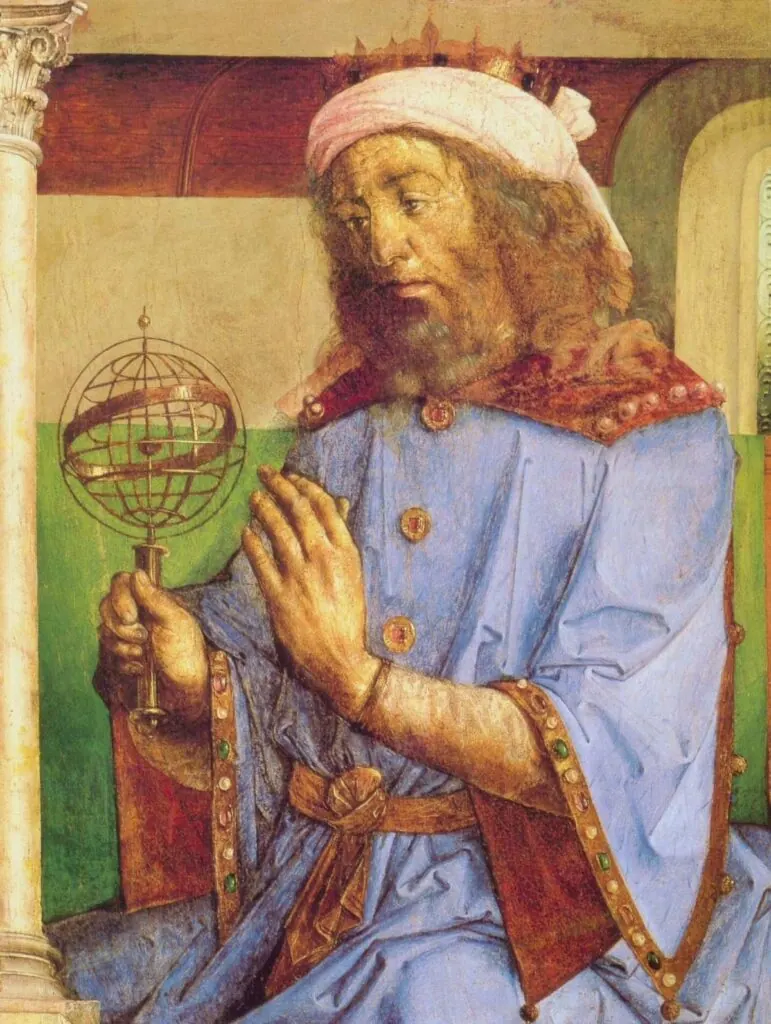
Our most important source in this respect is undoubtedly Claudius Ptolemy’s “Tetrabiblos”. In this seminal work, we find that, in romantic and marital relationships, the most important condition is for the luminaries (the Sun and Moon) to form a close trine or sextile, within five degrees of perfection. If they form a square instead, the relationship may still endure, provided that the luminaries are also in mutual reception, which Ptolemy calls an “exchange”. According to him, separations and divorces over even the slightest provocation occur when the luminaries in the two nativities do not see one another (when they do not form one of the five traditional aspects), or when they oppose or square one another without reception, lacking even the least zodiacal dignity. In this respect, even face (decan) can be helpful if a luminary in one chart is connected with a luminary in the other by occupying its face. Synastry is also favourable when one partner’s luminary falls in the sign occupied by the other’s benefic (Jupiter or Venus), or receives a close aspect from it. The situation is quite the reverse when the luminaries are connected with the malefics (Saturn and Mars).
A particular treatment of synastry appears in Chapter 7 of the Tetrabiblos, where the following are explicitly identified as the primary factors of analysis: the Sun, the Moon, the Ascendant and the Lot of Fortune, which by its essential nature symbolises the relationship between the luminaries projected from the degree of the Ascendant. According to Ptolemy, the strongest bonds arise when these factors occupy the same sign, or neighbouring signs provided that the distance between them across the sign boundary does not exceed 17 degrees of arc (the solar orb). By contrast, the deepest enmities and disagreements are shown when these factors occupy disjunct or opposing signs. Sextiles and trines create beneficial bonds, but these do not have the same quality as connections through conjunction, which are considered the strongest and most enduring. Accordingly, Ptolemy essentially divides relationships into three categories, depending on the primary factor linking the charts. If, for example, a synastry is based chiefly on connections between the luminaries, the relationship will arise from the deepest attraction and affection — in a certain sense, what we call “fated”. In the case of enmity, if the luminaries are in an adverse relationship with one another, that enmity will be deep, serious and lasting. When synastry rests on the Lots of Fortune, people come together out of some shared interest or advantage, whereas Ascendants connect them primarily through physical attraction or shared tragedies, hardships and accidents. The dominant partner will be the one whose synastry factors occupy a dexter position relative to those of the other. Claudius Ptolemy attached no particular importance to dodecatemoria, whereas most other authors did, so synastry involving the four primary factors can equally be applied through this system. Thus, if two people’s Ascendants have no particular connection, they may be linked through the degrees of their dodecatemoria. The same applies to the other three factors — the Sun, Moon and Fortune — and their various combinations. Connections through dodecatemoria are just as powerful as the underlying zodiacal connections.
Dorotheus of Sidon tells us much the same in his “Carmen Astrologicum”.
“A man and woman are suited to one another if their Ascendants are in the same sign, or if a luminary (the Sun or Moon) in one nativity is on the Ascendant or MC of the other. Likewise, if Venus in one nativity is conjunct (in the same sign as) the Moon in the other, or if the two Moons are in trine to one another. When either luminary is in the sign occupied by the other’s malefic, there is no accord. Conversely, if a luminary in one nativity is in the sign occupied by a benefic in the other, or if the benefics of one occupy the angles of the other, or the Lots of Marriage are in the same sign, this signifies agreement and harmony.”
Dorotheus of Sidon – Carmen Astrologicum
We met at the wrong time!
How often in your life have you felt a powerful connection with someone, yet found that you simply could not reach them, or that they could not respond to you in the way you needed?
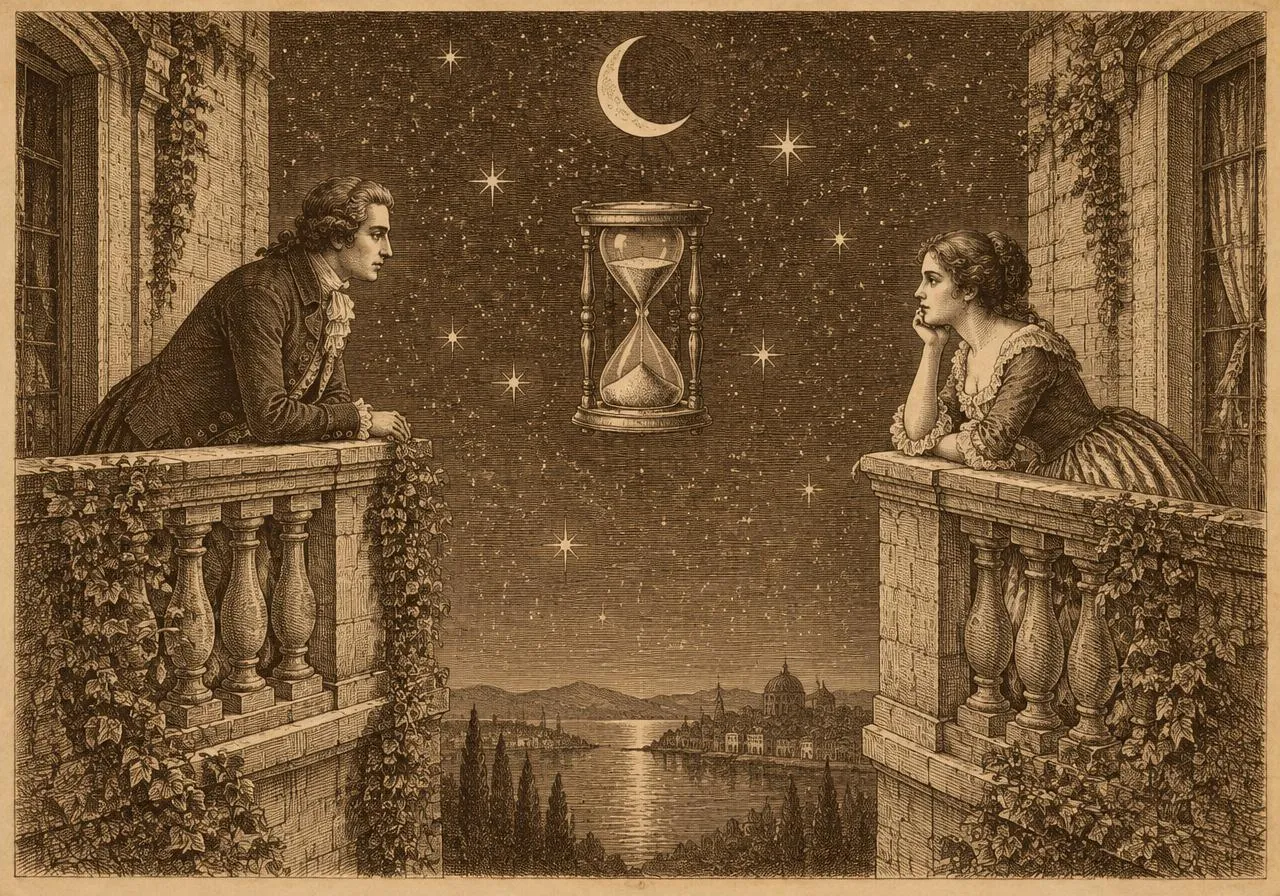
A human being exists in Time; in other words, Time is another expression of our physis. Every living being has a Flow — for Time is Flow — appropriate to it, one that represents or manifests its physis. Compatibility at this level manifests as the synchronicity of two natures. The horoscope, too, is an image of Time. All the correspondences between two nativities described above therefore come to nothing unless the temporal cycles you are passing through also align. Both natal charts need to be activated by predictive cycles involving Venus, her lot, the seventh house and its ruler, and the Lots of Marriage. Otherwise, we may find one person wholly focused on love while the other has an activated sixth house and is so burdened by illness that love scarcely enters their mind. Or the tenth house may be activated, and their career takes them down another path. Even if some connection is established under these circumstances, it will inevitably lead to disappointment. The reason is clear: one person will have high expectations that the other cannot meet, because their natures do not, at that moment, reflect the same essential need, and Time will separate them. More often, however, such relationships will not manifest at all: they simply cannot come into being in Time because the astrological periods are incompatible.
The complexity of a proper synastry model truly bears out the point made at the beginning: a great many things must align for us to find true love. And because love unites every aspect of our natures, the magic of the moment in which we meet the right person really does feel timeless. Astrological language offers an answer as to its nature: two people unite at the deepest level, the level of the destiny they fulfil and continue to unfold together … Is this not the best evidence for the Design of Nature discussed in Astrology as the Language of Nature – Part One? If love needs any greater purpose than raising us to a higher level of existence, I would say this is it. On the other hand, compatibility need not always be so profound for a relationship to matter at a particular time in our lives, because sometimes, when “there is no great love, a little love is enough”. What all these loves share, however, is that we grow through them.
Sources used in this article:
- Claudius Ptolemy: Tetrabiblos
- Dorotheus of Sidon: Carmen Astrologicum
- Traditional Astrology Blog