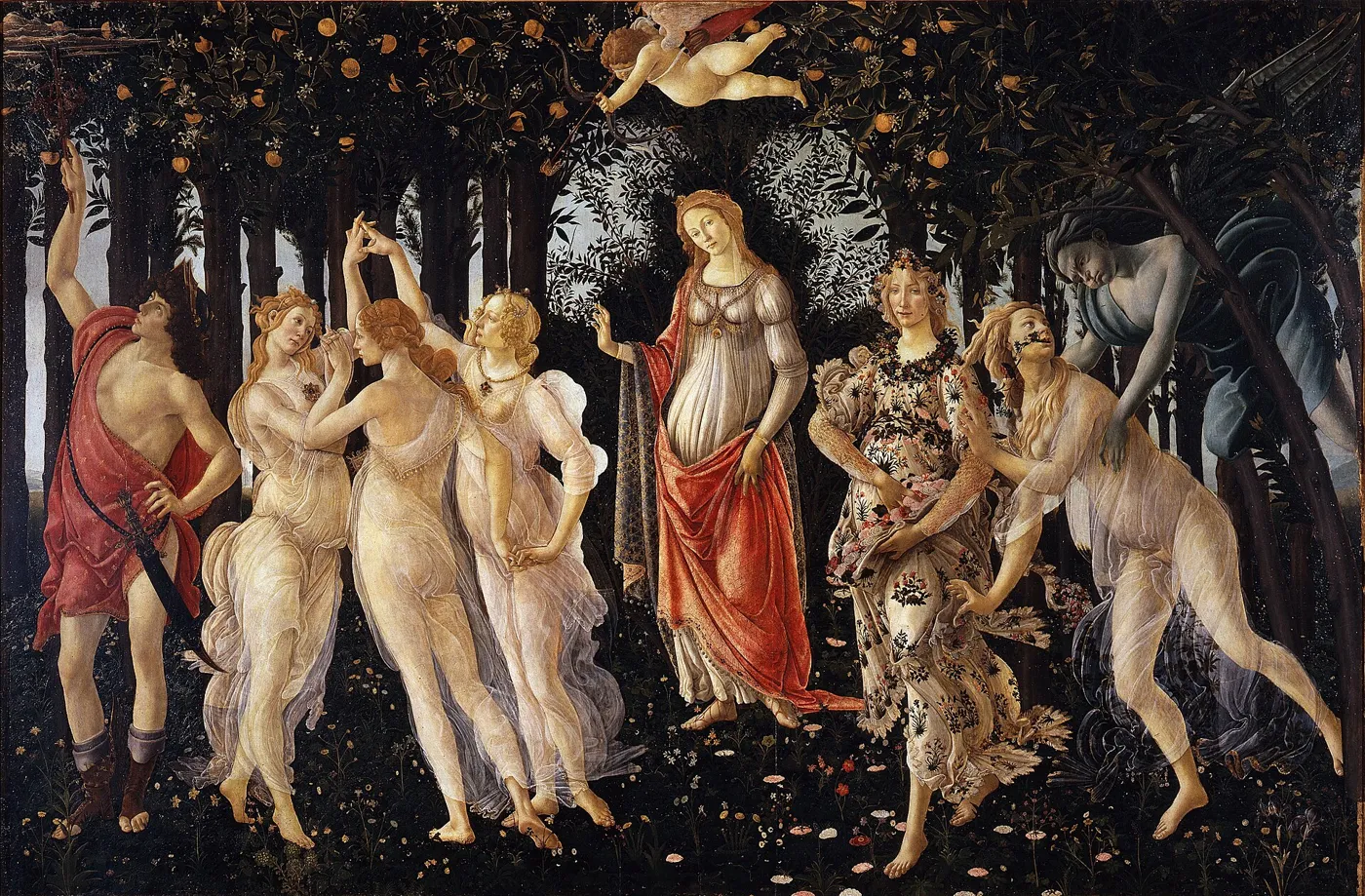
This article considers women primarily through the perspective of Jean Shinoda Bolen, a student and follower of Jung, who devised this classification. We then seek to explain the essential characteristics of these Jungian types of women through planetary symbolism and astrology: there are seven types, fitting neatly into the planetary framework of astrological doctrine and symbolism. Before assigning these types to the planets of the traditional cosmos, it is worth recalling that, just as mythology is a recurring theme in Jungian psychoanalysis, traditional astrology classifies all gods under the seven planets. Plato mentions this before the advent of horoscopic astrology, and the Neoplatonists emphasise it again at the close of antiquity.
A different set of seven ancient gods can be placed upon these seven levels, but each will always correspond to one of only seven planets. Every god or celestial power of those times belongs to one of these seven principles. Thus, whatever goddesses are invoked in discussing types of women, we assign them to one of the seven planets. Psychopathology is also possible in absolutely any type, and no type is inherently better than another. Equally, many women will not recognise themselves in any single type, but rather in two or three, which is also to be expected. Let us now set out these types of women within this framework:
TYPE 1: THE MOON – THE MOTHER
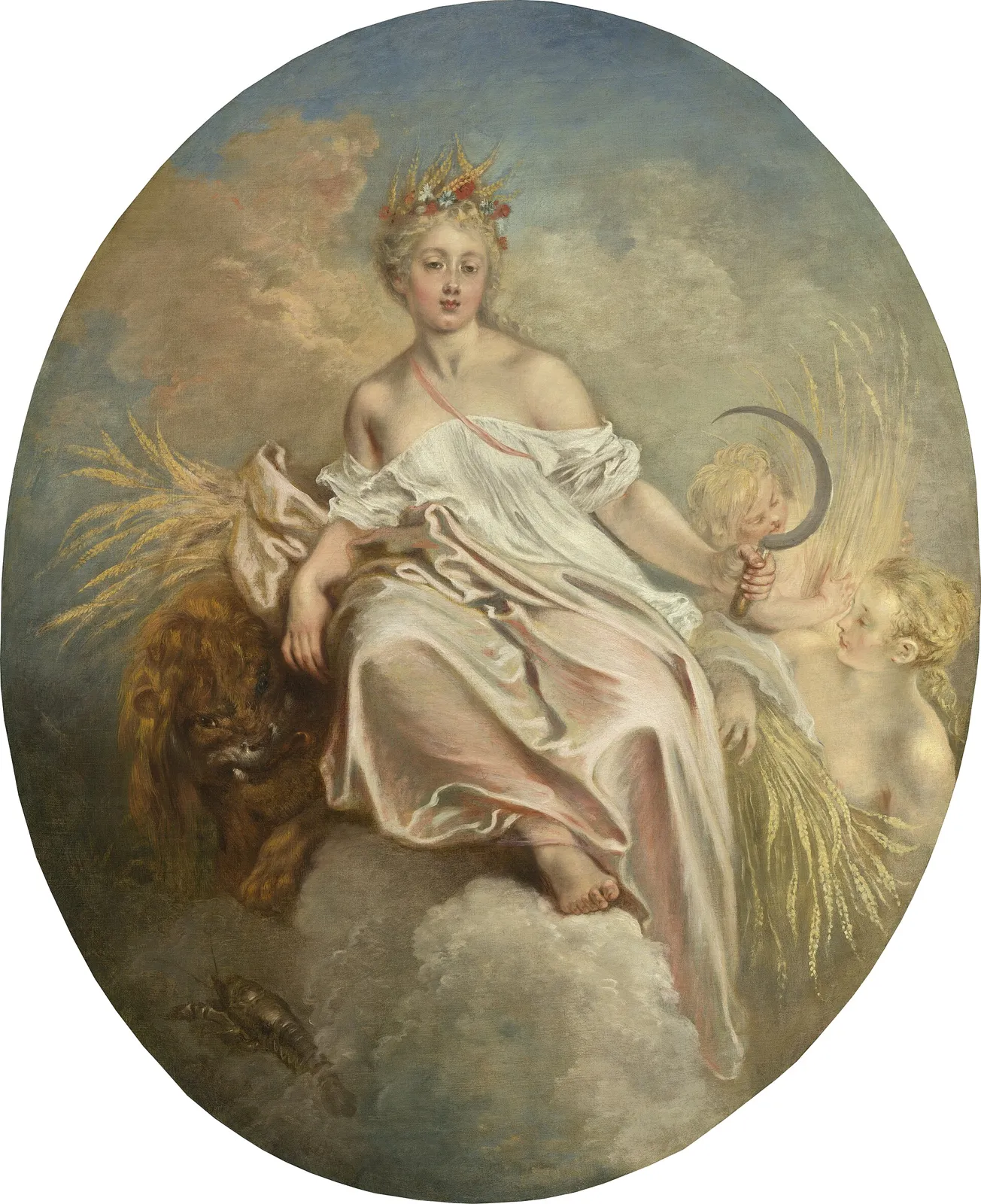
Embodied by the Greek goddess Demeter, or the Roman Ceres.
Possible archetypal complements, variations and extremes: the chthonic Great Mother, the Mother of God.
Possible psychopathology (if present): depressive, passive-aggressive or dependent.
She is most often troubled by her own lack of independence, feelings of inferiority, fear, anger and intense longing.
Life script: “Until my children grow up, I do not exist”, or: “Once they become independent, everything falls apart.”
Demeter is the goddess of grain, nurturing and motherhood, who brought forth many Greek heroes with Zeus. She is the principal archetypal representative of the matriarchal principle, symbolising, among other things, birth, creation, nurturing, protection and generosity. Her relationship with her daughter Persephone is particularly significant, for it is the deepest bond she has ever known. Christian iconography likewise emphasises this in the image of the Mother of God holding the Child in her arms. A male partner is assumed, but in practice he is nowhere nearby; even if he is present, he is either irrelevant or the source of her fundamental difficulties in life. The maternal relationship therefore always prevails or takes precedence.
Yet Demeter is also the archetype of the grieving mother whose children have grown up and left her. She exemplifies the “empty nest” syndrome of the abandoned middle-aged woman who has devoted her entire life to her children. In some cases, she will not even allow them to leave, becoming destructive and undermining their capacity to separate from her in the long term.
Such a woman symbolises fertility, life, nurturing and support. Yet if the father is too weak or absent from home for too long, she becomes dominant and overwhelms the family with her mothering. She then also symbolises poisoning, suffocation and the lasting inhibition of other people’s growth, convinced that she alone knows what is best for them. By casting herself as a victim, she justifies her need for control, exercised through food and acts of service, and her manipulative behaviour, which relies on accusations of supposed wrongdoing and ingratitude.
She usually attaches herself to a man with no paternal instincts, who finds all manner of excuses to escape the home and leaves her to dominate. Often, she herself grew up in just such a family. She sees pregnancy as her fulfilment and her true essence, organising her entire life around it. She cultivates the image of the warm, plump mother. Her children are paramount. Even when choosing a lover, the Great Mother usually chooses a “son”.
What matters most to her is serving others perfectly, and she never stops trying. For her growth and development to continue, she must discover abilities beyond mothering and integrate them into a new identity. Only then does she stop rescuing, fussing over and endlessly controlling others.
TYPE 2: VENUS – THE LOVER
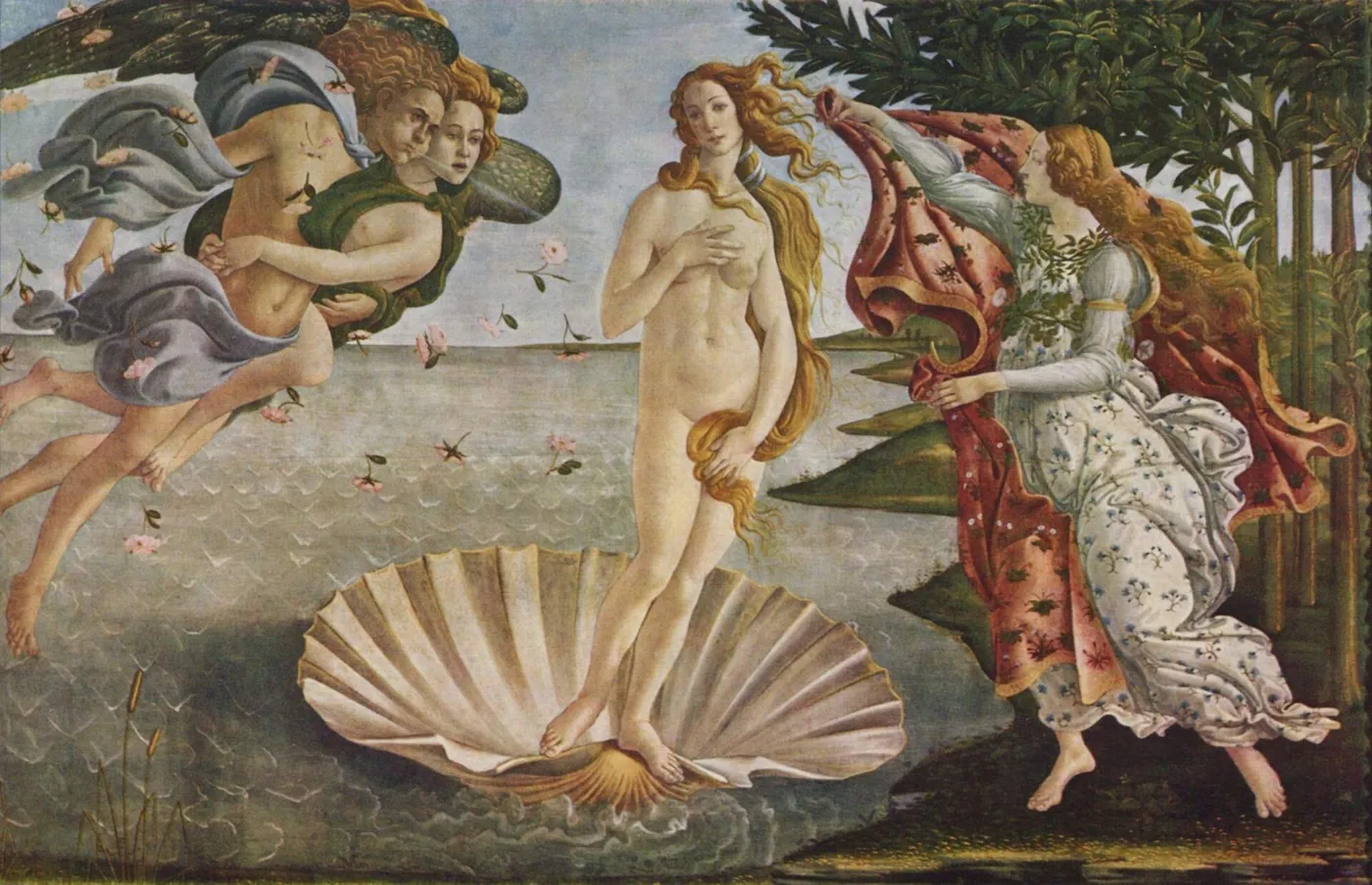
Embodied by the Greek goddess Aphrodite, or the Roman Venus.
Possible archetypal alternatives, variations and complements: the ancient Slavic goddess Lada, Lilith, cultured courtesans, tantric partners, femmes fatales in film and literature…
Possible psychopathology (if present): narcissistic and hysterical.
She is persistently tormented by fear, sorrow and anger.
Life script: “After youth, beauty and love, there is nothing left…”
Aphrodite encompasses a whole range of feminine archetypes. She is the goddess of love and beauty, transformation, creation and magical power. The most beautiful and sexually alluring of all the goddesses, she spent her life creating and enjoying beauty. One of her deepest sources of fulfilment is the creation of a profound, mystical union of love between man and woman, in which the earthly and the otherworldly, the physical and the spiritual, merge. Creative and communicative, she can use her charisma to help people realise their dreams, drawing out what is finest and most beautiful in them in the manner of Pygmalion.
Whether personified as a fairy, muse, geisha or sacred whore, she is the alchemical golden woman who illuminates this world and those around her with a magical golden radiance. Everyone else can only yearn for her and envy the chosen few fortunate enough to be with her. Yet she is far more interested in love itself than in the actual, individual man beside her: ultimately, he is imperfect, perishable and replaceable. Neither bisexuality nor homosexuality is foreign to such a woman, for the partner is not what matters most; what matters is love itself and her own experience of being in love. Sex plays a decisive role in forming her relationships, and if she marries, it is usually an open marriage, at least on her side. If she decides to have children, she can be a good mother in that she knows how to love and support them without excessive criticism. Very often, however, she is inconsistent, selfish, capricious, self-centred and not fully present.
She does not know how to be close to other women, but can socialise with them as long as everyone agrees that she is the best and most attractive. She makes no secret of her intolerance of rivals, while other women avoid her out of envy and fear that she will steal their men.
Youth is the best period of her life, while old age can present an insoluble problem. Extroverted and active, she lives mostly in the present, regarding life as little more than a by-product of love. At times she impulsively chooses unsuitable partners, neglecting important people and satisfying the wrong needs. When she is not in love, she is deeply dissatisfied and behaves irrationally and destructively. The very process of maturing, and the responsibilities life imposes beyond love, provoke outbursts of irrational rage and destructiveness. Every new wrinkle, every diminution of her sexual power and allure, every little girl who blossoms into a young woman before her eyes, can trigger an eruption of hatred.
Her chief aim in life is pleasure, and she perfects the art of attaining it to the utmost, often forgetting life’s other values. She has a very low tolerance for frustration in its various forms. Her fate also varies according to the culture in which she grows up and lives: she may be mocked, humiliated and exploited as a common harlot, or, conversely, idealised, celebrated and adored as the sex symbol of an entire nation or age. Jungian psychotherapists use the myth of Eros and Psyche as a metaphor for the growth and integration of such a woman. Psyche was an ordinary woman, but as beautiful as Aphrodite; having challenged the goddess, she was compelled to complete four tasks. With help from others and wise solutions of her own, she succeeded in transforming herself from a victim into a heroine who takes the initiative.
TYPE 3: SATURN – THE WIFE
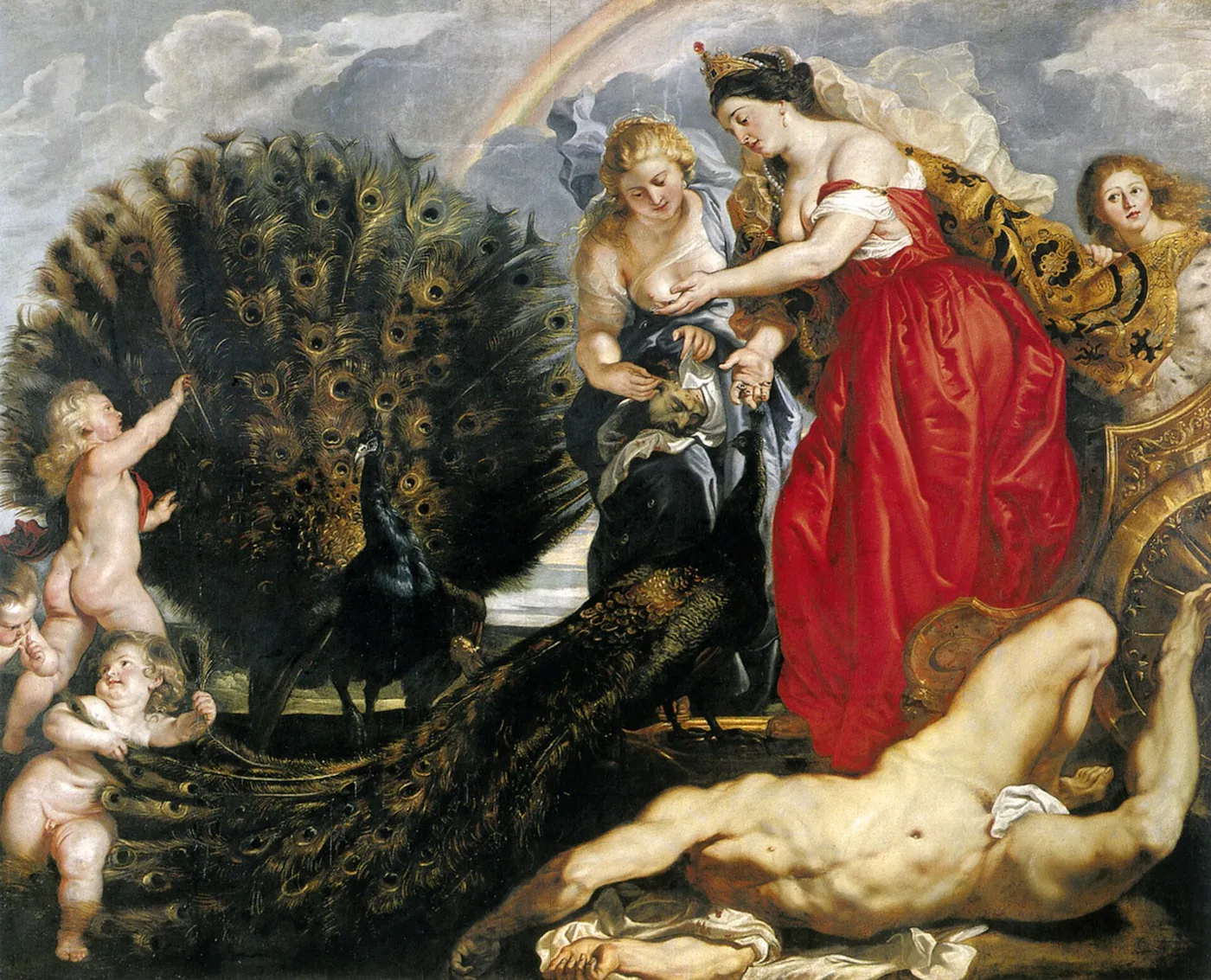
Embodied by the Greek goddess Hera, or the Roman Juno.
Possible archetypal variations, alternatives and opposites: Medea, faithful Penelope, manipulative Herodias, the demonically ambitious Lady Macbeth, the avenging woman…
Possible psychopathology (if present): depressive, masochistic or phobic.
She is most often tormented by her efforts to save what is usually a failed marriage.
Life script: “This keeps happening to me”, or: “I always end up the martyr.”
Hera is the goddess or guardian of sacred marriage, symbolising fidelity and an unbreakable attachment to her promiscuous husband, Zeus, to whom she is utterly devoted. Since she does not feel whole in herself, she marries early, and the wedding ceremony marks the most important day of her life. The trouble is that she fails to choose the right partner with whom to realise her dream. The difficulties her husband creates accumulate and cause her pain, but she takes her anger out on those around her rather than on him. She tries to toughen herself so that she can endure all these injuries and humiliations. This usually continues until middle age, when her husband ceases to interest her and marriage is no longer sacred. She then manages to find other interests in life, or her ageing husband settles down, leaving her with nothing to do but reproach him for past hurts instead of fighting daily battles with her rivals.
He is the centre of her life, and everything else comes second, including children and career. She has few or no friendships and places little value on them. Trouble arises because HE does not reciprocate her devotion: he is uninterested and begins to see her as a burden, an ineffectual, excessively dependent, clingy and tiresome person who nags him, so he increasingly withdraws. She often becomes his persecutor, staging scenes of jealousy and vengeance amid tears and lamentation.
For such a woman to grow, it is very important that she should not marry early and that she should choose her husband carefully, perhaps with help from others. Before marrying, she needs to “grow up” sufficiently to look after herself and give her life meaning. Her jealousy often expresses passivity and feelings of inferiority, while her distrust of men is a projection of her own sexuality. The possibility of further development lies in transforming anger and pain, reorganising her values and establishing more realistic relationships with others, so that she can endure loss and abandonment without tragic consequences. This also means taking responsibility for her own life and actively relinquishing the role of victim.
TYPE 4: MERCURY – THE MAIDEN
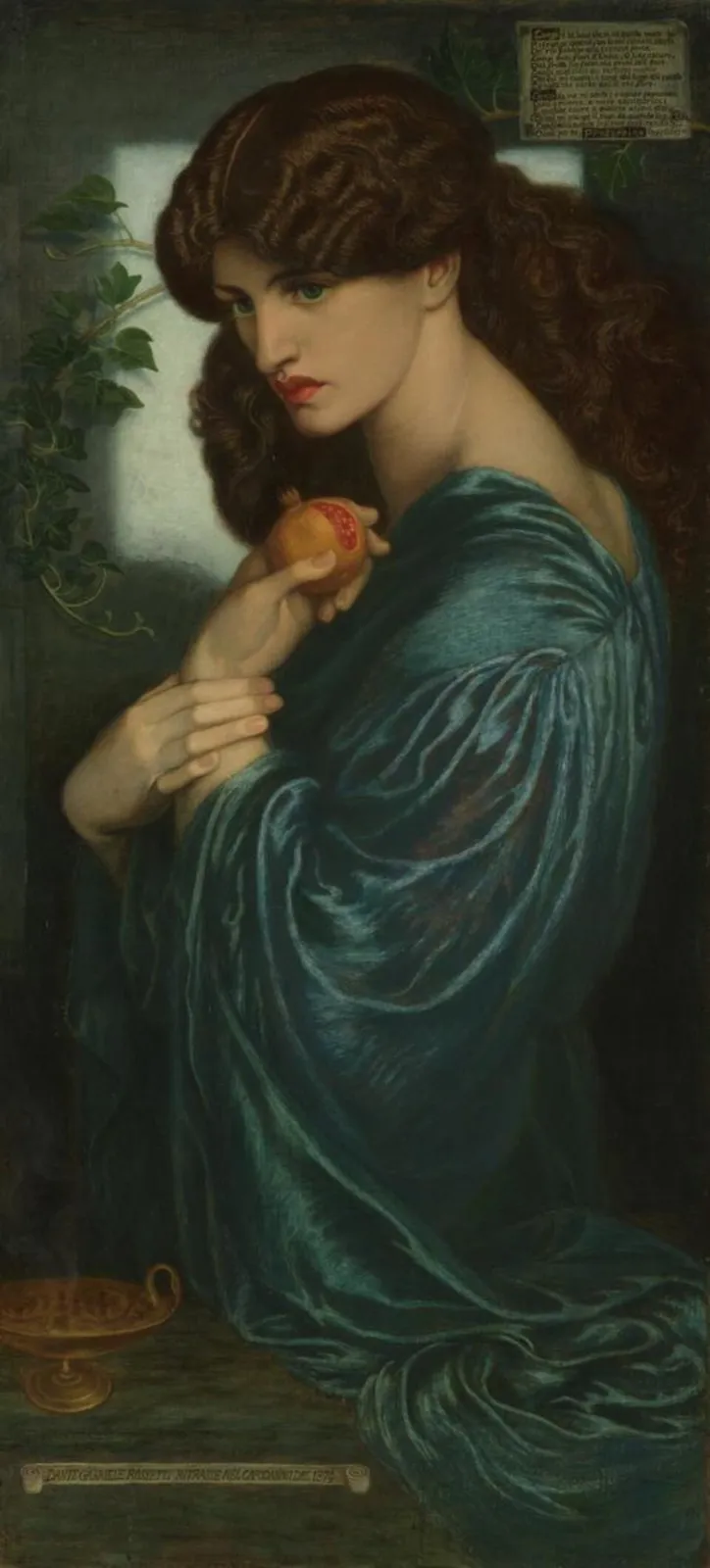
Embodied by the Greek goddess Persephone, or the Roman Kopra.
Possible archetypal complements, variations and alternatives: the many literary embodiments of the “eternal” and “deceptive” feminine, the flighty Marie Antoinette…
Possible psychopathology (if present): schizoid.
She is most troubled by experiences of meaninglessness, fear, pain and anger.
Life script: “You will never attain what you most desire — you will never discover your true self.”
She is the eternally youthful, carefree woman-child, contested by her mother on one side and, on the other, her husband and the various people who enjoy her company for different reasons. Persephone is accommodating and receptive; as the mythological queen of the underworld, she can readily make contact with the unconscious, assuming many different faces in the process. As her mother’s pampered princess, she symbolises eternal spring, growth and development on the one hand, and, on the other, dangerous adventures in the unconscious that sometimes end in a turbulent descent into madness.
She is dependent, unable to separate from her mother and thus grow into womanhood. She usually forms a dependent attachment to a man who seeks to dominate, control and possess her, while she skilfully eludes both him and her mother, manoeuvring between them. The price she pays is a fragmented personality: she is at once helpless and adept, naïve and dangerous, usually unaware of her sexual and other powers. She forms close, sisterly relationships with other women, while towards men she behaves as an eternal little girl and Sleeping Beauty. On one side, she waits for her mother’s permission; on the other, for a prince to kiss her and thereby take responsibility for her life. Conflict between mother and husband only intensifies her inner division.
Her thinking is often confused and predominantly intuitive, and she relies on other people’s judgements rather than her own. The miraculous way she nevertheless manages to navigate life seems unreal, almost fairy-like. There is something of the chimera about her: indistinct and ambivalent, she becomes a screen onto which others project their desires and conflicts. Passive, seductive and childish, she readily forms symbiotic relationships. The forms of integration she achieves are often bizarre and fragile, so she needs other people to provide boundaries for her personality. She usually has no children, and when she does, she behaves as their friend or younger sister. Because of her pronounced immaturity or inconsistency, her parents or someone else usually take over the parental role.
Beneath her narcissistic rigidity lie intense fears of her own passions, madness and death. A major crisis usually strikes in her forties, when she finds it difficult to sustain the role of the mysterious little girl. Manipulative and dishonest, she conceals her shortcomings and needs so successfully, even from herself, that she eventually no longer knows what she wants from life or other people. A possible path to maturity begins with separation from her mother, relative independence from her husband and development into a sexually mature woman. If she can bring some order to her irrational inner world, spiritual and religious growth becomes possible in place of a descent into madness, perhaps accompanied by the creative development of certain psychic abilities.
TYPE 5: MARS – THE WARRIOR
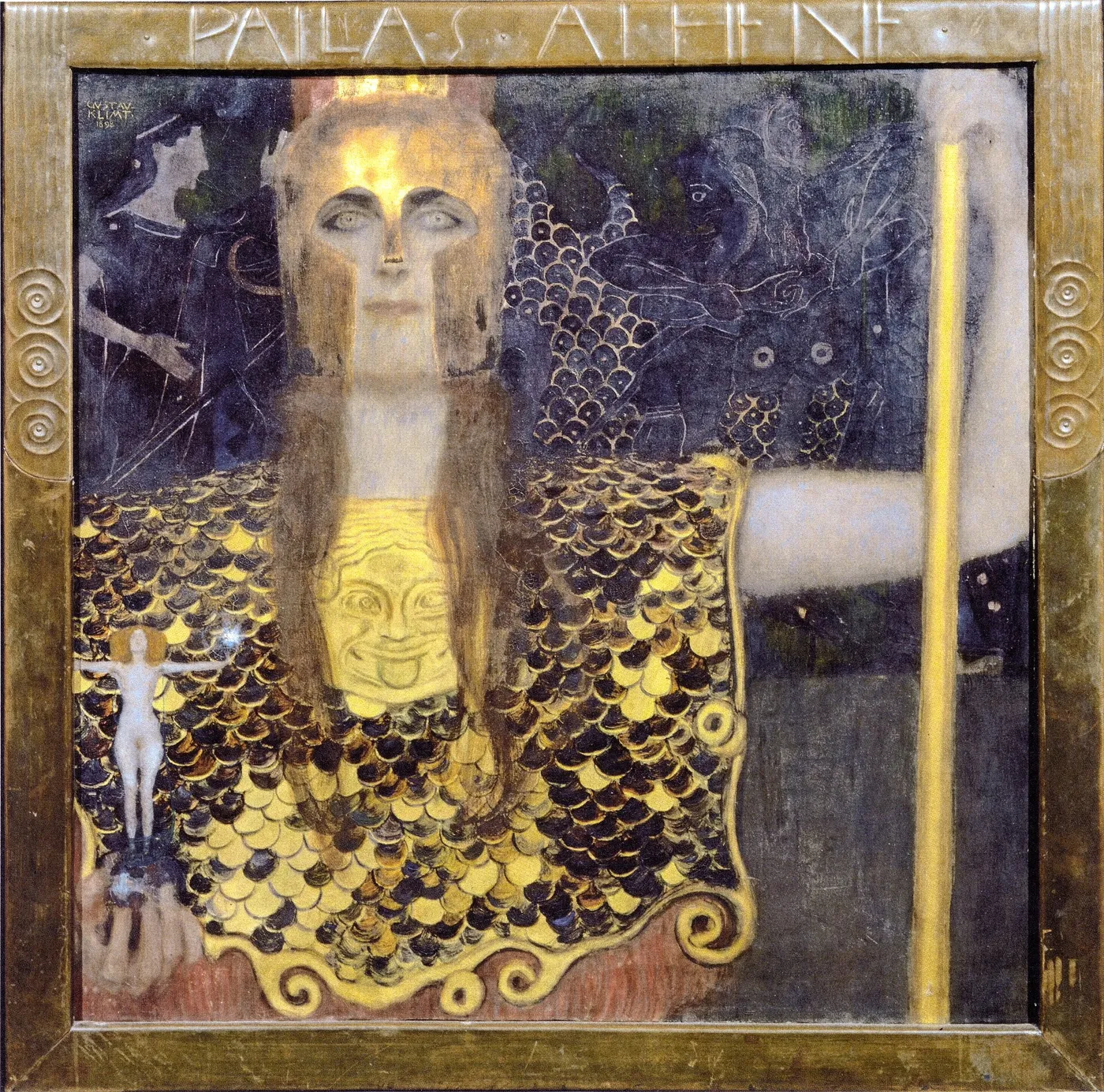
Embodied by the Greek goddess Athena, or the Roman Minerva.
Possible archetypal variations, extremes and opposites: Amazons, modern feminists…
Possible psychopathology (if present): obsessiveness and paranoid arrogance.
She is most often troubled by anger, fear of failure and longing.
Her life script requires her always to be strong. She is relatively successful, but rarely knows how to enjoy life, especially intimacy and love.
The mother of the mythical Athena was unknown or unacknowledged. The goddess was born in golden armour from the head of her father, Zeus, and soon became his right hand: the goddess of wisdom, strategy and crafts. She is strong, beautiful and dangerous. Equally adept in warfare, household management, crafts and practical affairs, she sides with her father in both war and peace and is utterly loyal to him. She fights for patriarchal principles in which she deeply believes, placing them far above matriarchal values.
She is a logical, practical, straightforward and reliable woman. Her head always overrules her heart; she is selfless and unpredictable, and handles conflict well. She most enjoys the company of active, successful men, while avoiding women and holding them in little esteem. She particularly despises fragile, charming and feminine women, mocking them harshly and belittling them. She has grown into a capable, useful and level-headed woman. Her objectivity makes her emotionally cold, while her values make her ideally suited to being “the right woman behind the leading man”. She has learnt to protect the back of an authoritative, powerful and strong father. Rigidly loyal to his principles, she resists change with conservative determination.
Healthily ambitious and extroverted, she finds power the strongest aphrodisiac and is interested only in heroes. Once she chooses a man who looks likely to win, she retreats into his shadow and fights passionately on his behalf. She is neither particularly passionate nor romantic nor jealous. She treats her children with marked objectivity and on equal terms. She successfully teaches them to be good fighters, toughening them and encouraging them to grow up as quickly as possible so that they are no longer vulnerable. She dislikes spoilt, lazy children who are of no use. Her attitude towards motherhood can be summed up in the phrase: “I rent out my womb.”
She is at her best in maturity, disliking both the dependency of childhood and the frailties of old age. She identifies as a healthy, strong and successful woman. Self-sufficient and active, she feels best when taking stock of her own and her husband’s successes and achievements. She readily becomes a workaholic and may spend her entire life in dedicated labour. She blocks her emotions, particularly pain, and consequently has great difficulty with intimacy and loneliness. Her excessive realism creates problems with spirituality, creativity and spontaneity, qualities she may come to hate in people unlike herself — the “Gorgon effect”. Spontaneous people, rich in expression and dramatic in their manner, particularly irritate her. Her fundamental principle is efficiency.
Although it may not be apparent at first, she has difficulties with pride and self-esteem. Above all, she must be strong enough to sustain the immense effort required to achieve perfection — just as her daddy envisaged it. Such a woman’s life will be empty and impoverished unless she turns inwards, gives up power games and accepts occasional outward defeats that bring inward victories. At some point in life, she must remember and rediscover her mother, form a bond with her and with the maternal principles of this world, and reach out to other women and, at the same time, to her own fragile, delicate and easily wounded feelings. If she succeeds, she will establish a new inner balance, become capable of closeness and intimacy with particular people, and reorganise her values.
TYPE 6: JUPITER – THE SISTER
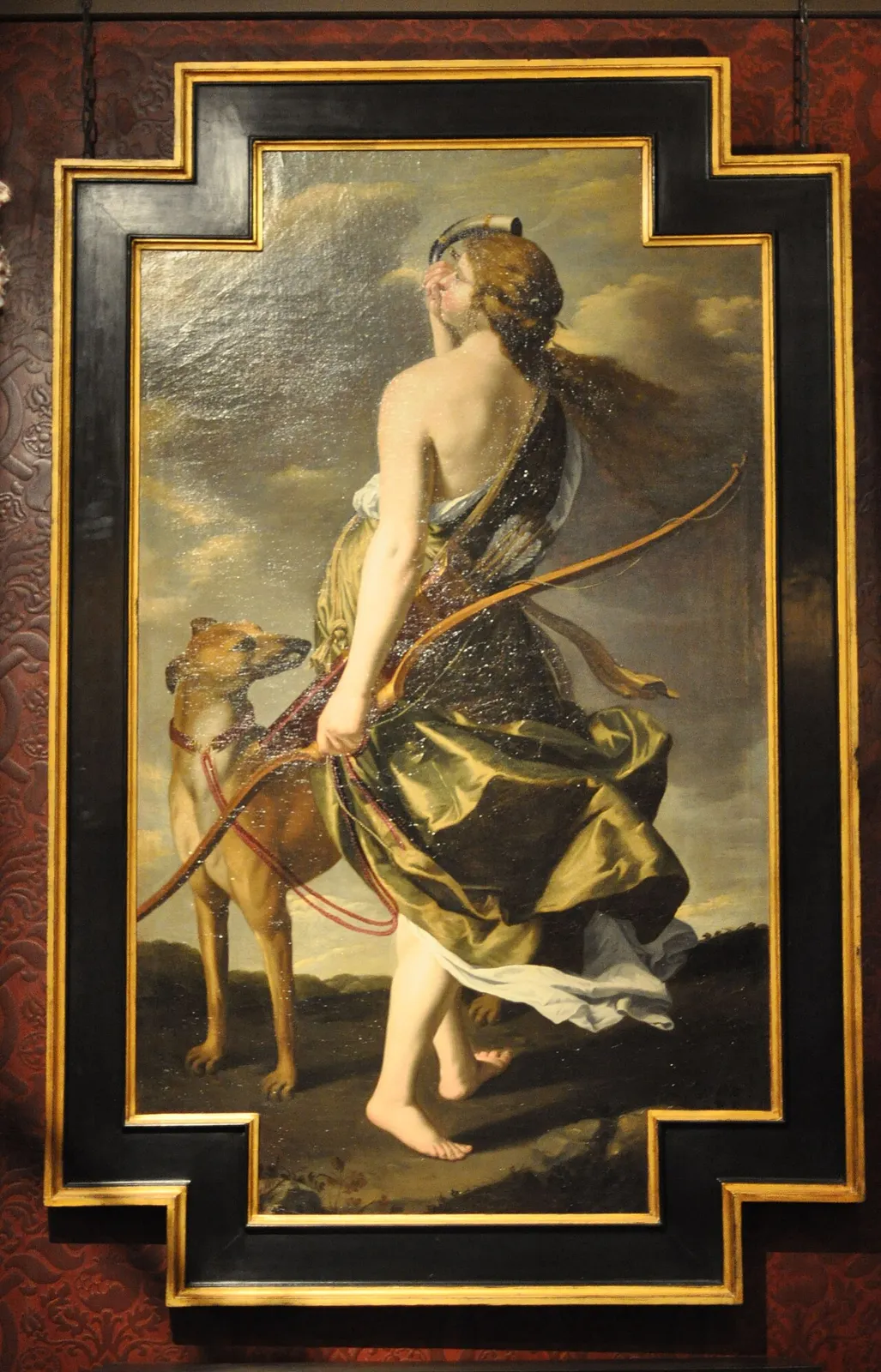
Embodied by the Greek goddess Artemis, or the Roman Diana.
Possible archetypal complements, variations and alternatives: Iphigenia, Atalanta…
Possible psychopathology (if present): obsessive or paranoid-arrogant.
She is most often troubled by longing, fear and anger.
Her life script is “eternal youth”, compelling her always to be, and remain, youthful.
Artemis, or Diana, is Apollo’s sister, goddess of hunting and the Moon, and above all an accomplished tactician. Such a woman is often athletic, youthfully slender and well-proportioned. Agile, independent, self-reliant and successful, she longs for all kinds of competitions in which she can defeat a man who is her equal. Secure in herself and her identity, she does not need a man to feel purposeful and whole. Above all, she is a creature of action, and with her father’s help and intense concentration she has mastered many skills. She is a pre-adolescent girl in the strong body of an adult woman, loving life as a game and a contest. She is the mythical sister and companion, curious and courageous. She has rejected identification with her mother and conventional feminine values; she is often stubborn and, by respectable social standards, unfeminine. She experiences the entire world as a great hunt or an important match for which she is very well prepared. She gets on well with women like herself and scarcely notices the rest.
In relationships with men, she sometimes narcissistically chooses someone her own age who seems to be her mirror image, allowing them to have a marriage based on comradeship and partnership. Sometimes she chooses a much older man who will care for her and support her adventures. Such a woman avoids the father–daughter conflict in a particular way: she fulfils the expectations of a father who really wanted a son all along, and she is as successful as the boys. At the same time, she presents no dangerous rivalry to her father because she is, after all, female. In this way, she has sidestepped an important developmental challenge, remaining untroubled but also deprived. Sometimes she chooses a platonic partner with whom she experiences “ideal love”: he disdains sexuality and delights in her abilities and transformations. Sometimes she chooses a Pygmalion who will mould her and share in the audience’s applause.
She is happiest while young, avoiding emotional intimacy, closeness and belonging. She denies her softer, dependent feminine needs, and if she does experience them, she responds with depression. Preoccupied with competition, she can be cold, sharp and harsh, readily hurting others and moving on with contempt. Modesty, restraint, tenderness and mercy are as foreign and dangerous to her as love, closeness and trust. If she has children, she behaves like a “mother bear”. She can be a good mother, but places excessive emphasis on the child’s independence, dexterity and competitive spirit. Woe betide the child who is not a winner! She coldly rejects a dependent, passive or incapable child, expecting them to grow up quickly, yet remain forever adolescent and join her in the hunt.
Such a woman’s values are determined one-sidedly by the paternal principle. Until she discovers, develops and integrates some maternal values, she will remain too hasty, superficial, one-sided and shallow. Her overriding aim is to become and remain strong and perfect, so that she can win as many contests as possible. She is prepared to work hard at this, while remaining stuck at the same stage of development.
TYPE 7: THE SUN – THE SAINT
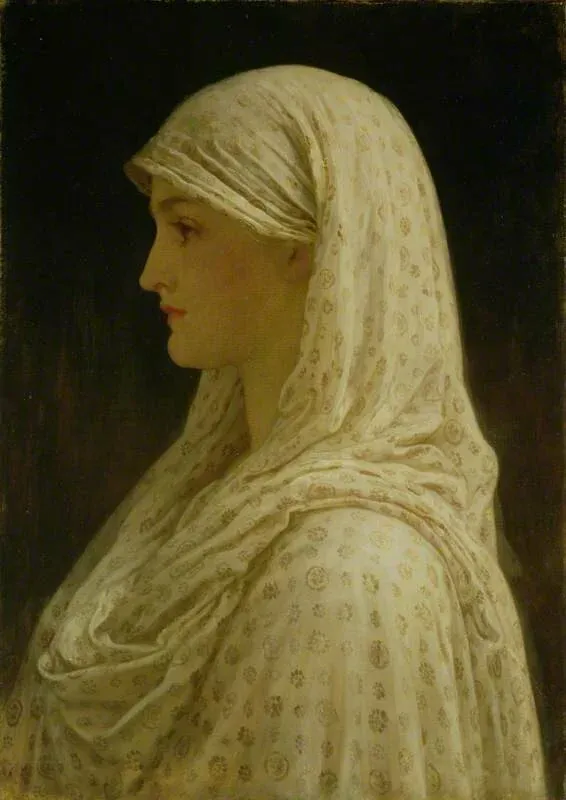
Embodied by the Greek goddess Hestia, or the Roman Vesta.
Possible archetypal complements, variations and alternatives: devoted temple attendants and female Christian saints.
Possible psychopathology (if present): sensitive-paranoid.
She is most often troubled by feelings of guilt, anger and meaninglessness.
Life script: “You will never be flesh and blood”, or: “You will never be of this world.”
Hestia was born to an ineffectual, depressive mother and a father who abused people. She grew into a wise woman and a spinster aunt, a goddess of the heart and temple who became little involved in either love or hatred. Through the symbolism of the fiery circle and rituals of fire, she expresses virginal inviolability and the wholeness of perfection; her symbol is most often the mandala. Her innocence and autonomy often enabled her to attain such a degree of harmony, universal connectedness and continuity within the collective consciousness that she was proclaimed a saint. Introverted, she is drawn to meditation in peace and solitude, where her intuition, clarity and strength can find their fullest expression.
Such a woman is serene and unhurried, oriented towards both temple and home. She has a mystical connection with the alchemical spirit, which enables her to create harmony and grow in peaceful solitude. In her development she has moved beyond the ego and succeeds in cultivating her feminine Self, uniting spirit and soul. She makes great efforts to strengthen herself so that she may become perfect.
Her relationships with other women are often warm, friendly and familial. She may never marry, becoming instead a wise old spinster. If she does marry, she is a conventional wife, comfortably settled into the traditional role of homemaker, usually attracting a man who loves and values a peaceful, warm and quiet life that allows them both to meditate. If she has children, she can be an excellent mother, somewhat distant, impersonal and inexpressive, yet unquestionably loving towards them.
In Jung’s interpretation, Hestia had no persona. A woman who lives in this way can easily become faceless, anonymous and seemingly not of this world. Sometimes she is too detached from reality, and prolonged solitude and isolation can lead her to burn herself out in the service of others or of ideals. She has difficulty expressing feelings, especially powerful ones, so someone she loves may neither know nor feel that she loves them. Her love is, in a sense, impersonal, as she herself is. Without the security of marriage and home, such a woman may become lost, undervalued and exploited by competitive, power-hungry people.
Her growth begins with the construction of a firm, strong persona and with learning to express her feelings, especially powerful and destructive ones. Above all, it requires her to leave her house or temple and walk out into the world, embracing the adventures of life among real people. She needs to acquire self-confidence and develop extroversion and a fighting spirit, qualities she otherwise rather disdains.
Source: “Astrological Dialogues” Facebook group (Nataša Karalić Koprivica)