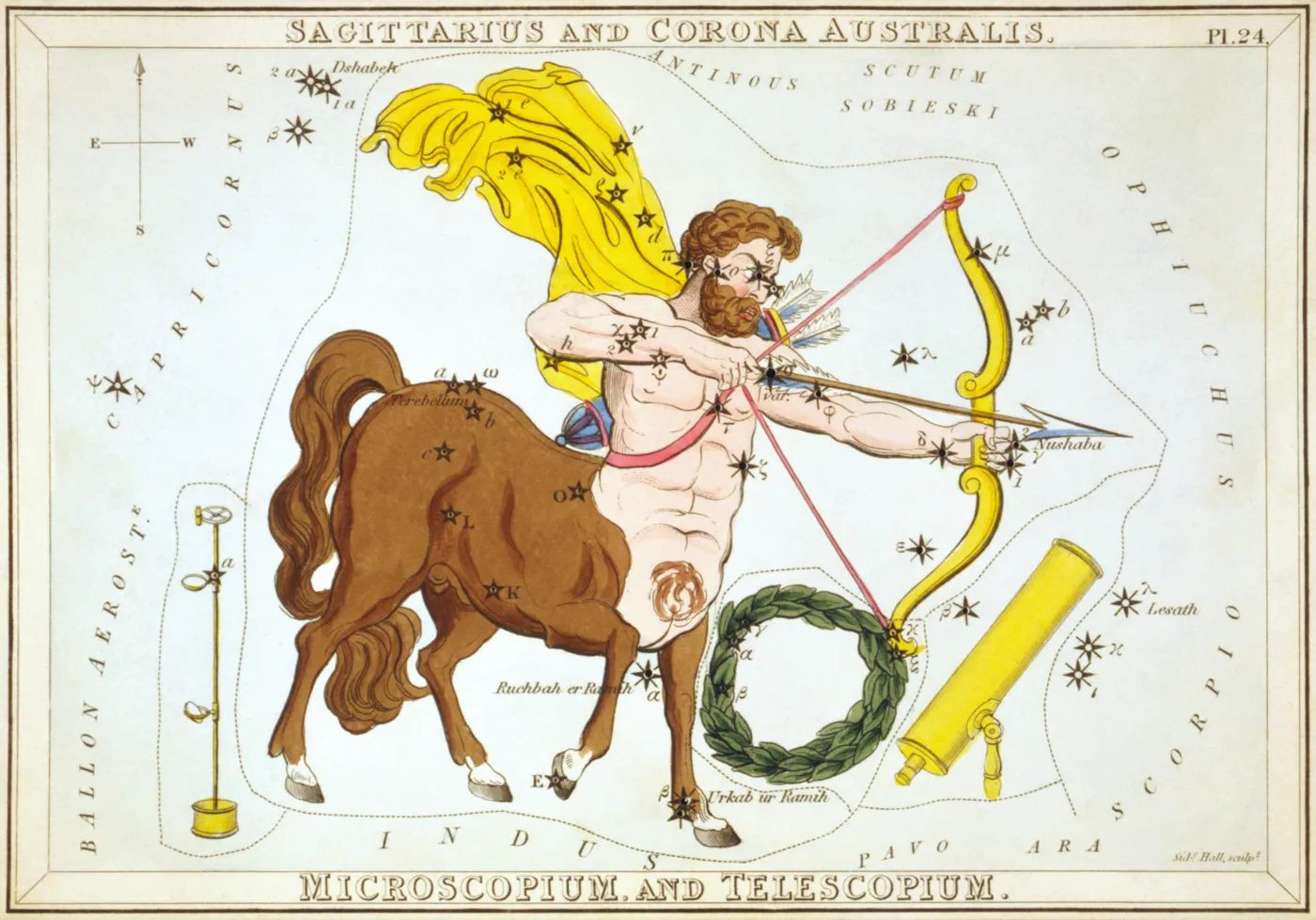
Ruled by Jupiter, Sagittarius has an expansive, altruistic temperament. It is sometimes called a prophetic sign, since the objective and subjective mind work harmoniously under its influence. Its fire is therefore quite different from that of the other signs of the fiery triplicity: it is neither as conquering as that of Aries nor as regal as that of Leo, yet it combines both in a very distinctive way.
Sagittarius is a born idealist: he is the young man who sees visions and the old man who dreams dreams. Yet his idealism is not impractical, for he can foresee the outcome of a transaction from its very beginning. Sincere, open-hearted, honourable, ever faithful to the truth and intolerant of those who are not, Sagittarius is a child of nature whose two sides continually reveal themselves through changing moods. He is brave, restless and ready for a challenge, yet also sensitive and inclined to withdraw. Just as he is light-footed and agile, so his thinking is swift and precise. He speaks directly and despises evasiveness in others; nothing angers him more than duplicity. His anger, however, is short-lived and never tainted by malice. He will often abandon his position to avoid an argument, yet can defend it with great rigidity when a genuine principle is at stake. Trifles unsettle him more often than serious difficulties, which he can avoid with a little foresight and diplomacy—qualities for which Sagittarius is known. His clear idealism brings clarity to every question, and he finds joy in honest living while sincerely seeking to reduce his problems to their simplest elements. An unusual degree of mental activity is one of the sign’s most striking characteristics. The agility and directness of his physical movements find their counterpart in the workings of his mind, so that his conclusions often strike their mark as swiftly and accurately as the arrow that symbolises the sign. His general temperament is calm, lively and joyful, and those born under Sagittarius retain a certain youthfulness well into old age: they never really look as old as their years would suggest. There are also those among them who develop slowly, reaching their full potential only in middle age or later.
We have already noted his exceptional mental activity and the insatiable curiosity that makes him akin to the airy triplicity, especially Gemini, as well as the inexhaustible energy with which he tackles every problem, delighting in getting to its heart and reducing it to its simplest elements. Under favourable circumstances, Sagittarius can therefore make an excellent teacher, usually following the Socratic method of teaching through questioning. He is better suited to older pupils who can respond intelligently and are open to discussion. The legal profession offers an excellent outlet for his talents, although he also has good prospects of success in journalism and, often, literature. Teaching religion or philosophy, however, seems the most congenial of all occupations.
In conversation, Sagittarius welcomes debate and enjoys crossing swords with a worthy interlocutor; he can be a skilful dialectician. He seems to know his opponent’s weak points intuitively and delights in an exchange of witty repartee. In more ordinary examples of the sign, speech tends to be discursive, with frequent, unnecessary asides, though still full of humour. In writing, Sagittarians are naturally drawn to dialogue as a literary form, and quite often to dramatic composition. Here, however, they are liable to construct implausible plots and overlong speeches, leaving their characters too little room to become “real”.
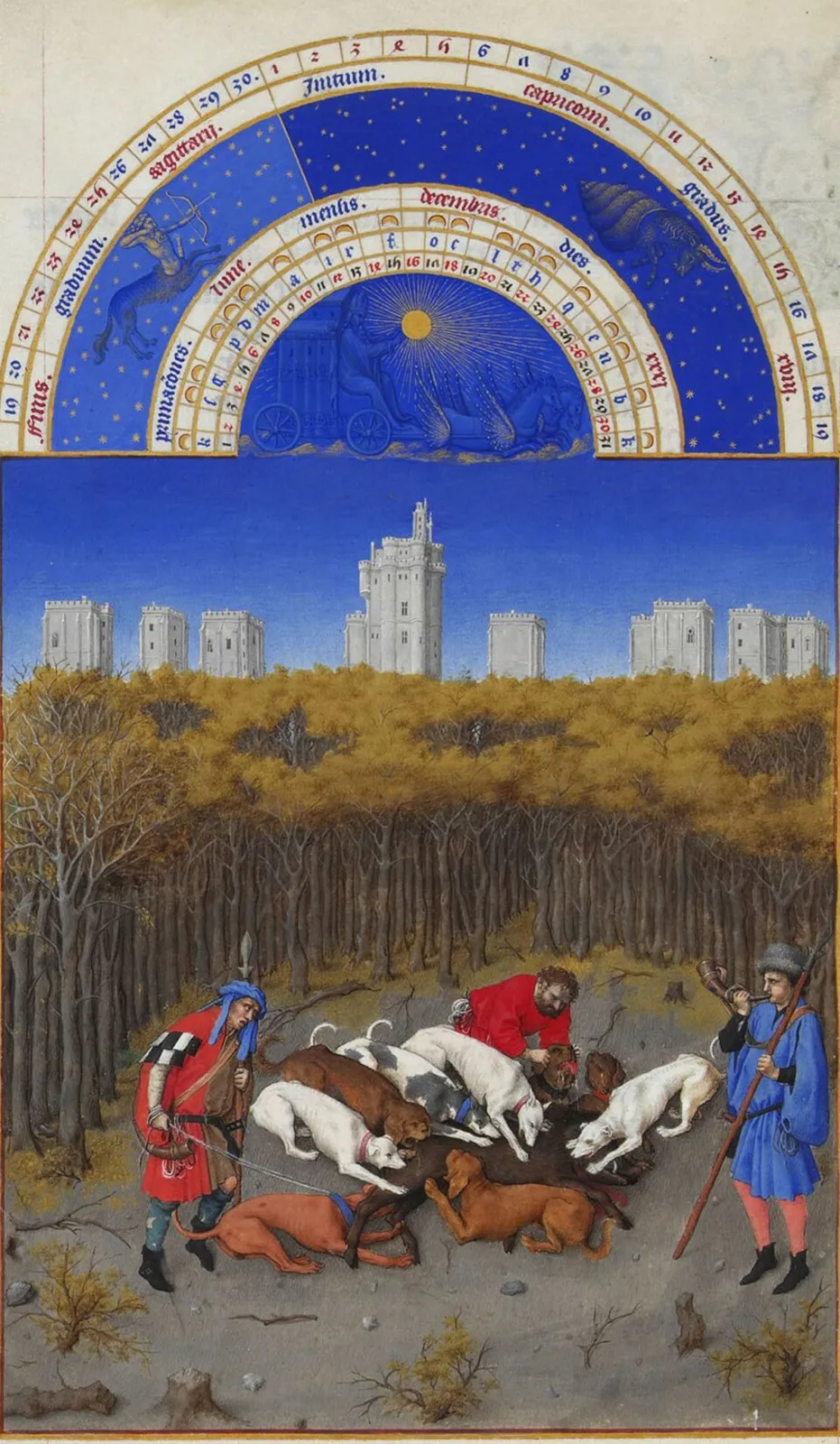
Where money is concerned, Sagittarius is usually well provided for, unless adverse planetary influences impose restrictions. His ability to act directly and effectively is a considerable asset in many financial dealings, making his path much easier. In business, he has good prospects of success either independently or in partnership, particularly in commercial ventures. He does not, however, fare well in work that demands attention to minute details, so neither secretarial nor clerical duties suit him. Politics seems to offer Sagittarius the greatest scope, thanks to his self-confidence and clarity of vision.
One of Sagittarius’s two greatest shortcomings is a certain impatience and haste that often prompts premature action. He may be so eager to gather the fruit that he cannot wait for it to ripen. He should therefore cultivate patience. Another common characteristic—which can be particularly troublesome—is his tendency, in his eagerness to please, to make promises that he later forgets. At times, one may reasonably wonder whether he ever intends to fulfil them.
Sagittarius is especially delighted by opportunities to be outdoors and loves all kinds of outdoor sports and work. This fosters an open and genuinely democratic spirit, making him willing to fraternise with people from every walk of life. Sagittarians often take a keen interest in projects for social reform and the improvement of working-class conditions. In such endeavours they are extremely practical, for their theories rest on patient investigation of actual circumstances, while their vision is too clear to allow them to be drawn into any form of radicalism.
From all that has been said, it is evident that Sagittarius possesses qualities particularly desirable in friendship. Sagittarians are spontaneous and quick to make contact with those who interest them. Since their interest is aroused primarily by qualities of mind, there is a firm foundation for lasting intimacy, and they are deeply loyal to those to whom they have become attached.
The same frank sincerity and honesty that make their friendships genuine are principles Sagittarius upholds in his love life. Yet here, even where there is true affection, this often proves insufficient. If a native of this sign succeeds in finding a woman who truly understands him well enough to love and trust him, his nature will unfold to its greatest heights, and he will become a devoted husband. The great danger, however, is that the average woman will not fully understand his spirit, leaving him little prospect of success. He is also often inclined to choose a wife on rational grounds. His impulsive, direct nature makes it easy for him to begin a friendship with a woman and then enter a relationship whose demands he cannot fully meet. Sagittarius cannot lie at the altar, so broken engagements are not uncommon with this type. This sign also produces the greatest number of bachelors, largely owing to its characteristic caution and wisdom. This is truly regrettable, since emotional development is what the Sagittarian nature needs most. In marriage, Sagittarius cannot tolerate the restrictions imposed by jealousy. Even if he appears to have submitted, since his practical nature always urges him to make the best of a situation, he will become irritable and sarcastic, and the union will be far from happy. In less developed types, these qualities often find expression in a cynical attitude towards marriage. Both sexes tend to become selfish and inconsiderate, and although they rarely allow their emotions to draw them into actual affairs, their unconventional disregard for public opinion can often embroil them in scandal. Although Sagittarius is friendly and warm towards humanity at large, he is less devoted to family life, and Sagittarians are often detached from their relatives and household. When they feel close to their immediate relations, they treat them as friends; when they find them less interesting, however, they can be very outspoken in their criticism, pointing out their shortcomings with embarrassing frankness.
In matters of religion, Sagittarius is often sceptical, owing both to his active mind and to his innate desire to examine faith and give it a rational foundation. Whenever he encounters religious teachings that cannot withstand such scrutiny, he is uncompromising in his criticism of their flaws. Yet no sign ruled by Jupiter can be irreligious, and his sense of due harmony often leads him to hold firmly orthodox views. Indeed, Sagittarius often makes an excellent priest, far more interested in the practical Christianity of caring for his parish than in strict adherence to “Scripture”.
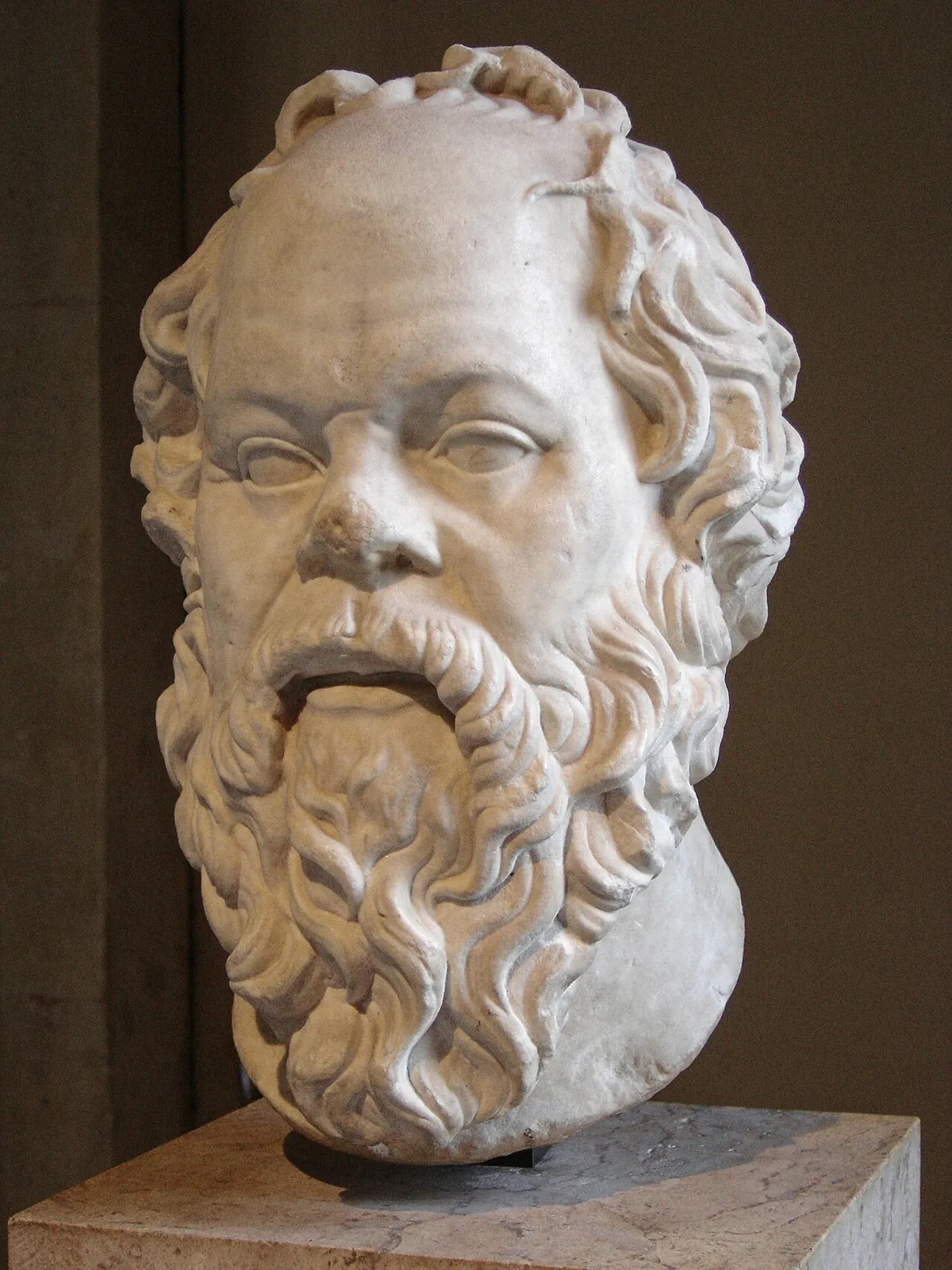
Finally, we may say that the life and work of the greatest philosopher of antiquity, Socrates, embody the finest development of the Sagittarian character, while also illustrating many of the sign’s peculiarities and even its weaknesses. His method of teaching through conversational inquiry, leading his pupils to demonstrate the truth of their propositions through skilful cross-examination; his mental activity and democratic freedom in associating with people of every station; his defiance of public opinion and uncompromising stance towards the State; his utter indifference to domestic life, his detachment from family ties and his theories of marriage, together with the geniality that made him a welcome companion and friend outside the home; and the hopeless incompatibility of his marriage, in which he must have allowed his head rather than his heart to guide him—all these qualities mark him unmistakably as a Sagittarian.